

Brainspotting: A Gentle and Transformative Path to Healing Trauma

Processing difficult emotions and recovering from trauma can feel overwhelming, especially when traditional talk therapy doesn’t quite get to the heart of the issue. If you’re looking for a Brainspotting therapist in Birmingham, Alabama, Brainspotting (BSP) offers a direct, compassionate, and highly effective way to process deeply stored emotional pain. Whether you’ve been struggling with past trauma, anxiety, or unresolved grief, Brainspotting can help you move forward in ways that feel profound and lasting.
Let’s explore what Brainspotting is, how it works, and why it’s becoming a game-changer for trauma recovery in Birmingham and beyond.
What is Brainspotting?
It’s highly likely that you’ve heard the phrase “Eyes are the window to the soul.” Well, more and more research is actually proving this adage and the beliefs of Brainspotting to be true. Brainspotting (BSP) is a therapeutic approach developed by Dr. David Grand in 2003. It’s designed to access and resolve the emotional and physical pain stored in the deeper, non-verbal parts of the brain. At its core, Brainspotting uses focused eye positions or what we call “Brainspots” to connect with areas of the brain where trauma and distress are stored, facilitating profound emotional release and healing.
The Discovery of Brainspotting
Dr. Grand first discovered Brainspotting while working with a figure skater who struggled to land a critical jump. During their session, he noticed her eyes instinctively fixating on a specific spot as she described her anxiety. By guiding her to process her emotions while maintaining that eye position, she was able to overcome the mental block and perform successfully. This insight led to the development of Brainspotting as a therapeutic method.
How Does Brainspotting Work?
The Science Behind Brainspotting
Brainspotting leverages the brain-body connection to help process and release trauma. Here’s how it works:
Accessing the Subcortical Brain: Unlike talk therapy, which engages the logical, thinking parts of the brain, Brainspotting targets the subcortical brain (the area responsible for storing trauma and emotional pain).
Focused Eye Positions: By identifying a specific “Brainspot” (activation in the subcortical brain resulting from focused activation and eye positioning), the therapist helps the client access and process deeply buried emotions.
Dual Attunement: The therapist combines the Brainspot with a safe, attuned therapeutic relationship, creating a space where healing can unfold naturally and at the client’s pace.
Why It’s Effective
Gentler Than Other Modalities: Brainspotting works without requiring clients to relive their trauma in detail, making it a gentler alternative to approaches like EMDR.
Body-Based Processing: Many clients notice sensations in their body such as warmth, tingling, or release as they process emotions. This reinforces the idea that healing is happening on a deep, somatic level.
Customizable to Your Needs: Whether you’re addressing trauma, anxiety, or other challenges, Brainspotting is flexible and integrates beautifully with other approaches like Internal Family Systems (IFS) and somatic experiencing.
What Does the Research Say About Brainspotting?
Supporting Evidence
While Brainspotting is a relatively new approach, research supports its efficacy:
Figure 1 below shows report findings from a Community Survey from 2016. The foundation researched the short-term and long-term unmet needs of people from the Newton Community resulting from the Sandy Hook Elementary School Shooting in December of 2012. Brainspotting was found to be the most effective therapeutic modality used for the survivors of the school shooting.
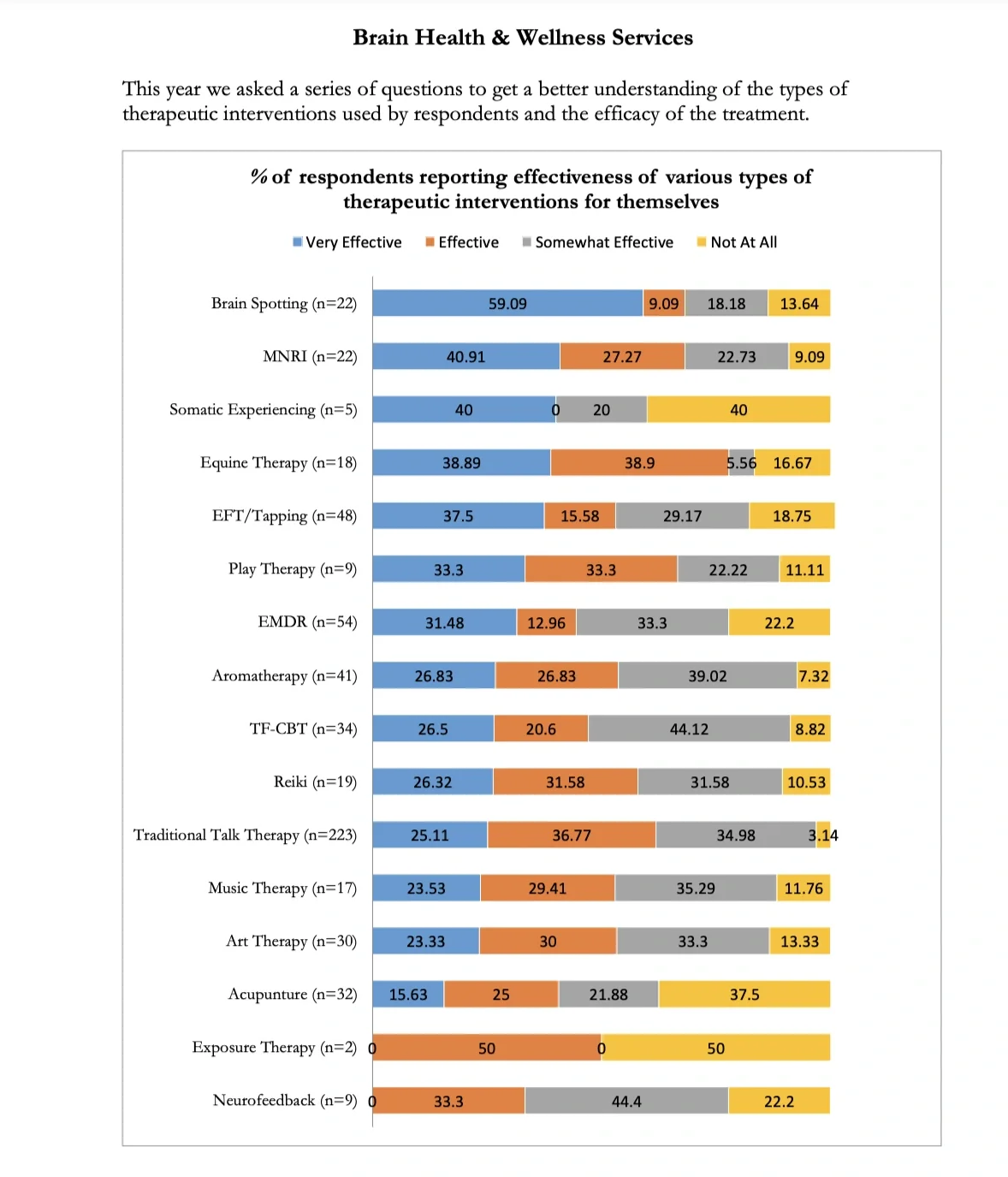
Figure 1: Data from NSHCF Community Assessment Reporton Brainspotting’s efficacy after the Sandy Hook Elementary School Shooting.
Brainspotting Shows Long-Term Benefits: A study compared Brainspotting with traditional therapy approaches (like CBT and psychodynamic therapy) for treating PTSD. While traditional methods showed quicker results initially, Brainspotting provided greater long-term symptom relief, especially at follow-up.
Brainspotting Reduces Anger: A study with 13 participants showed significant decreases in anger levels after just a few Brainspotting sessions, with improvements continuing over three weeks.
Brainspotting’s unique ability to target the subcortical brain or where trauma often “hides” makes it a powerful tool for those who feel stuck in their healing journey.
Common Questions About Brainspotting
How is Brainspotting Different From EMDR?
Gentler Process: Unlike EMDR, brainspotting doesn’t require clients to rehash their trauma in detail. It allows for a more organic, client-led experience.
Focus on the Body: Brainspotting emphasizes the connection between eye positions and body sensations, creating a somatic pathway to healing.
Flexibility: Brainspotting integrates seamlessly with other therapeutic approaches, making it adaptable to each client’s unique needs.
Is Brainspotting Similar to Hypnosis?
The brain states experienced during Brainspotting are like those in hypnosis. However, the key difference is that hypnosis involves a hypnotherapist guiding the individual into a trance state through verbal suggestion. In contrast, Brainspotting allows the brain to naturally enter this state on its own. A Brainspotting practitioner simply helps frame the issue the person wants to address, and the brain initiates the process internally.
Do I need to talk about my trauma during Brainspotting?
Not at all. Brainspotting allows you to process emotions without needing to verbalize every detail. Many clients find this aspect comforting, especially when words feel inadequate.
How many sessions will I need?
The number of sessions varies depending on your goals and the complexity of your experiences. Some clients notice significant shifts in just a few sessions, while others prefer ongoing work to address multiple layers of trauma.
Why Choose a Brainspotting Therapist in Birmingham, AL?
Brainspotting stands out because it’s:
Deeply Healing: Targets the root causes of distress, not just symptoms.
Gentle and Safe: You remain in control of the process.
Versatile: Helps with trauma, anxiety, depression, grief, performance blocks, relational issues, chronic pain, and more.
Client Success Story
“After a traumatic car accident, I developed panic attacks and couldn’t even get behind the wheel for a while. Working with Nathan doing Brainspotting, I was able to process through my trauma without feeling it so viscerally. Over time, I regained confidence, talked about my accident without becoming overwhelmed by fear, and finally drove again. Brainspotting truly helped me reclaim my life."
— Birmingham client
Ready to Begin Your Healing Journey?
If you’re ready to explore Brainspotting therapy in Birmingham, Alabama, I’m here to help. Schedule a free 15-minute consultation today, and take the first step toward processing trauma, reducing anxiety, and moving forward with clarity and confidence.